Artificial light at night now affects nearly one-quarter of the Earth’s land, creating what’s known as light pollution. It impacts everything from wildlife migration to increased carbon emissions in ecosystems, and it disrupts human well-being. The sheer power required to light the world accounts for 15% of global electricity consumption. Yet it’s so easy to take flicking the switch for granted. Fortunately, there is an increasing variety of sustainable lighting options for both residential and industrial settings to minimize the harmful effects.
1. LED Lighting
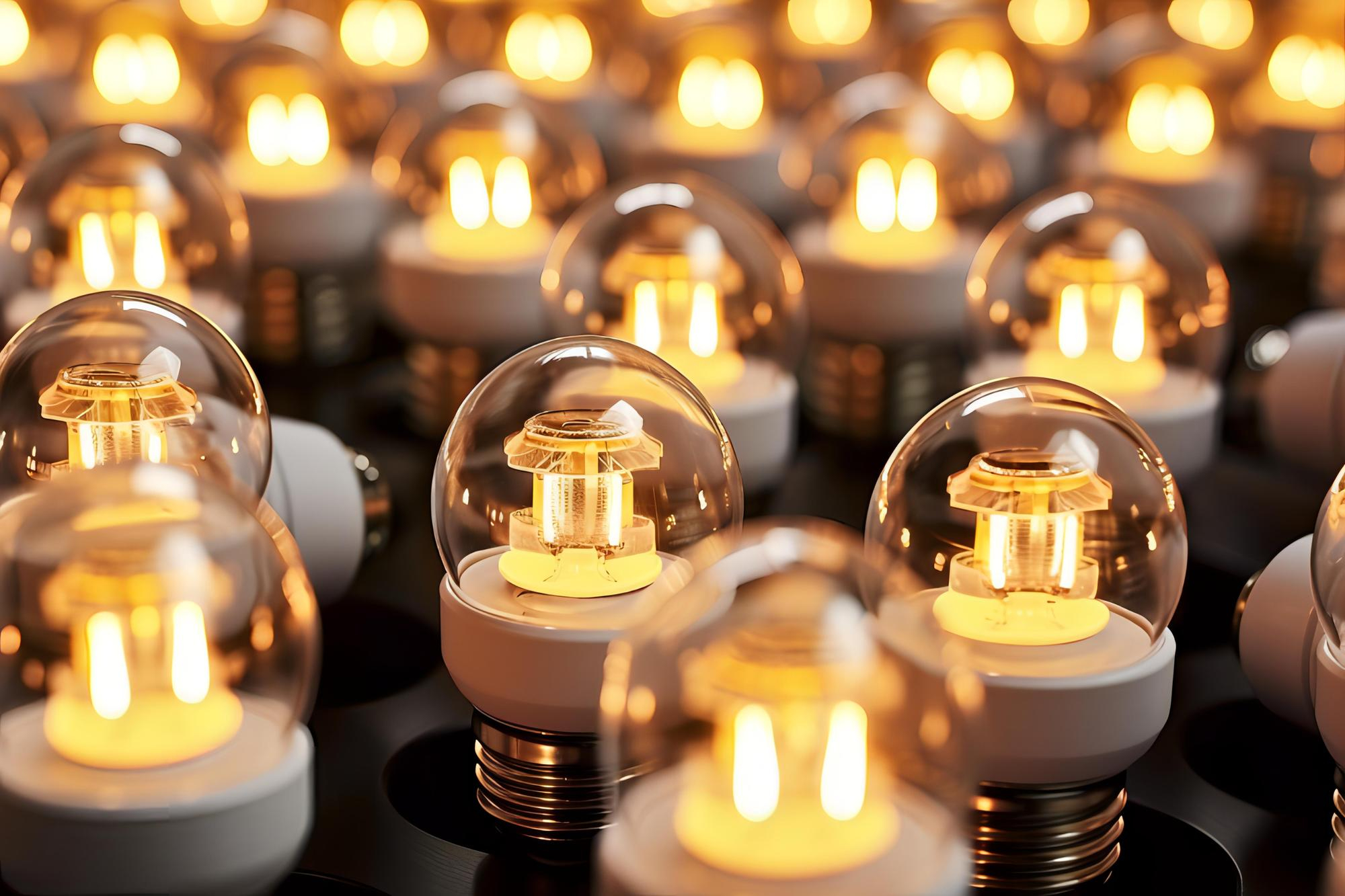
LEDs are the backbone of sustainable lighting today. An electrical current passes through a tiny semiconductor chip to produce light without losing energy as excess heat. This process can be up to 90% more energy-efficient than incandescent bulbs. They also last much longer, reducing waste and replacement frequency. For the average household, this can mean years before purchasing new bulbs. It saves both money and effort.
Another sustainability benefit is reduced hazardous content. Unlike compact fluorescent lamps, LEDs do not contain mercury. That simplifies disposal and reduces the risk of environmental contamination.
A recent review of LED development found that efficiency had improved by 10 lumens per watt per year since 2020. That’s a faster improvement rate than any other lighting technology the world has ever seen. From homes and offices to stadiums and street lights, LED has become the baseline sustainable choice.
2. Advanced Solid-State Lighting
Organic LEDs (OLEDs) represent an evolution in lighting technology. Instead of point-source bulbs, OLED panels emit soft, uniform light across a flat surface. This reduces glare and creates visually comfortable environments. The gentle light is much easier on the eyes than a single bright point.
OLED production is still scaling, but advances are improving color purity and energy consumption. Because panels are thin and flexible, they allow for innovative design approaches. Applications include architectural lighting, workspace panels, and interior lighting where ambient light is desired.
3. Solar Powered Lighting
Solar lighting harnesses energy directly from the sun — about as sustainable as you can get. During daylight hours, integrated panels charge internal batteries. At night, the stored energy powers LED light fixtures.
The benefits include:
- Zero grid electricity usage
- Reduced fossil fuel emissions
- Minimal long-term operating costs
They also provide light during power grid outages. This adds a valuable layer of safety and security for any home.
Solar lighting ranges from tiny pathway lights in your garden to major street systems that can provide robust light entirely off-grid.
4. Daylighting and Natural Light Design
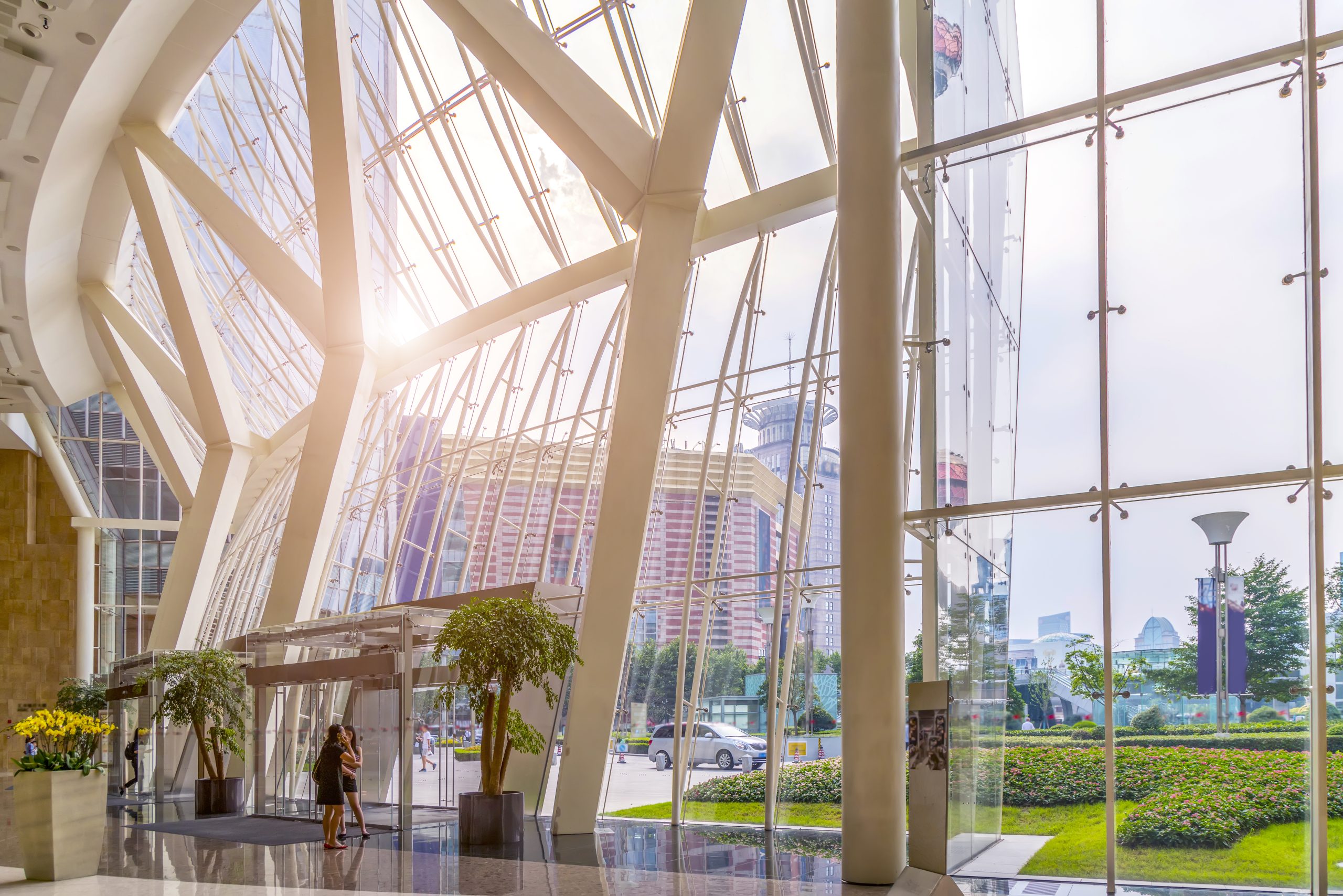
One of the most underappreciated sustainable lighting options is daylight. Buildings can be designed to maximize natural light through windows and skylights. This can drastically reduce the need for artificial lighting during the day.
Daylight harvesting uses sensors to dim or switch off electric lights when natural sunlight is sufficient. This strategy can significantly reduce energy use in commercial and residential buildings.
Offices, schools and retail spaces tend to benefit most from this strategy. However, residential homes designed with passive solar principles can also use it effectively.
5. Smart Lighting and IoT Integration
Sustainable lighting isn’t only about the bulb or energy source. It’s also about control. Smart lighting systems use a variety of methods to reduce unnecessary use, including:
- Motion detectors
- Timers
- Occupancy sensors
- Adaptive dimming
When connected to the Internet of Things (IoT), these systems can optimize when lights are on, how bright they are and even adapt to human activity patterns. Setting random patterns can also make your home seem occupied when you are away, reducing burglary risk. Many of these systems can be controlled directly from a smartphone app. This allows you to control your lighting from anywhere in the world.
Smart street lighting systems can also adjust brightness based on traffic levels or weather conditions, reducing both energy use and light pollution.
6. Human-Centric Lighting
Sustainability includes human well-being. Human-centric lighting (HCL) systems adjust color temperature and intensity to align with circadian rhythms.
Cooler light in the morning supports alertness. Warmer tones in the evening promote relaxation and healthy sleep cycles. This approach reduces the need for excessively bright, uniform lighting throughout the day.
By tailoring output to actual human needs, energy use can be moderated without compromising comfort or productivity. Experts predict that HCL will be the fastest-growing opportunity in the 2026 lighting market.

7. Low-Voltage Landscape Lighting
Often operating at 12 volts, low-voltage systems reduce energy consumption and improve safety in outdoor environments. The lower voltage greatly reduces the risk of electric shock. This is especially important in gardens and wet areas, including pathways and patios.
Because these systems commonly pair with LEDs, they deliver efficient illumination with minimal heat output. Installation often requires fewer heavy materials, reducing embodied environmental impact.
8. Biodegradable and Recyclable Light Fixtures
Sustainable lighting also involves the materials in the fixtures. Good options include:
- Recycled aluminum
- Reclaimed wood
- Recycled glass
- Rapidly renewable materials such as bamboo
This reduces the environmental footprint of the fixtures themselves, even at the end of its life.
9. Modular and Repairable Lighting Design
One of the most promising sustainable lighting trends is modular design. Instead of discarding an entire fixture when a component fails, you can replace drivers, LED boards or housings individually.
This extends product lifespan and reduces waste. It also aligns with circular economy principles that prioritize repair over replacement. It also saves money over the long term. A simple repair is almost always cheaper than a full replacement.
Commercial buildings increasingly specify modular systems to meet environmental certification standards such as LEED.

10. Retrofit LED Conversion Kits
Replacing entire light systems can generate significant material waste. Retrofit kits allow existing fixtures to be upgraded internally with efficient LED components.
This strategy conserves structural materials such as metal housings and mounting systems. Warehouses, schools and municipal buildings can be retrofitted at scale this way.
By modernizing legacy systems instead of discarding them, organizations reduce embodied carbon and installation costs.
11. Integrated Motion Sensors
As a simple but powerful strategy for sustainable lighting, these lights detect motion and only come on when required. They are especially useful in corridors, garages and exterior security lighting.
Reducing unnecessary runtime extends bulb life and lowers electricity use. When combined with LEDs and solar panels, motion sensors create highly efficient lighting ecosystems.
12. Li-Fi and Multi-Functional Lighting
Li-Fi technology enables LED lights to transmit data using light waves. While still emerging, this innovation could transform internet access. Meaning you would only have to be within line of sight of a light source to get online.
Theoretically, this will be much faster than Wi-Fi. Speeds of up to 224,000 megabits per second are believed to be possible. Experts predict that, depending on industry investment, this innovation could become mainstream by 2029.
If it does, multi-functional lighting systems could integrate adaptive lighting and data connectivity. Consolidating functions into a single system would reduce material use and energy consumption across devices.
Life Cycle Sustainability — Looking Beyond the Switch
True sustainability considers the entire life cycle of lighting products. Manufacturing, transportation, installation, maintenance and disposal all carry environmental costs.
Embodied carbon can be substantial in large commercial lighting projects. Specifying long-lasting, repairable systems reduces the life cycle impact.
Recycling programs for LEDs and electronic components are expanding. Ensuring proper end-of-life handling prevents lighting waste from entering landfills.
Procurement policies increasingly require environmental product declarations and transparency around sourcing. These measures help consumers and organizations make informed choices.
Outdoor Lighting and Ecological Responsibility
If you care about sustainable lighting beyond its energy efficiency, light pollution is a key issue. Artificial night lighting affects pollination patterns, breeding cycles, predator-prey relationships and migration cues.
It is estimated that up to a billion birds a year die due to light pollution-related building collisions. This is especially relevant during migration seasons, when many birds fly at night, navigating by the moon and stars.
Sustainable lighting outdoors should follow the five principles recommended by DarkSky International, namely:
- Only use exterior lights where necessary
- Direct the light only toward what needs to be lit
- Choose the lowest brightness for the purpose
- Do not use it when not required
- Opt for warmer color lights where possible
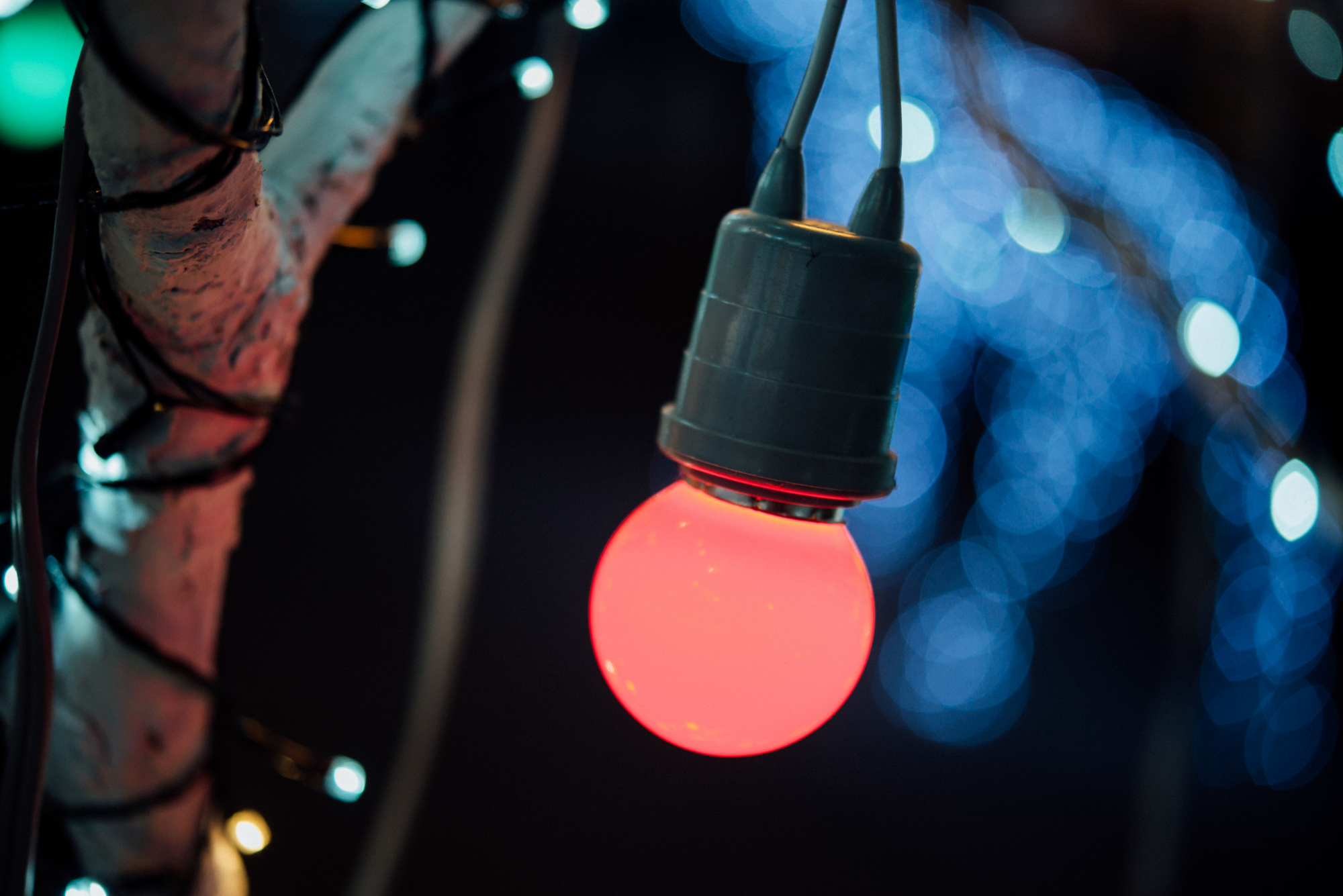
Indoor lighting matters hugely for energy efficiency and human well-being, but exterior lighting has an even wider ecological impact. Act to protect your wider environment.
Conclusions — Moving Toward a Sustainably Lit World
Sustainable lighting is no longer a niche concern. It blends energy efficiency, design innovation, environmental protection and human well-being. The conversation has expanded beyond wattage. It now includes life cycle impact, material sourcing and ecological balance.
The most effective sustainable lighting strategies combine multiple options. For example, an LED fixture powered by solar energy, controlled by motion sensors and designed for repair. This offers far greater sustainability than any single feature alone. Thoughtful integration is what creates meaningful environmental gains.
At the same time, sustainability asks for a rethink about the human relationship with darkness. Not every space requires constant illumination. Allowing natural light cycles to return, especially outdoors, restores ecosystems and reduces waste. The journey to sustainability often begins with a single light bulb. Your choices as a consumer help drive innovation.
Lighting will always be essential to modern life. The goal is not less light as such, but better light. By choosing technologies and designs that respect people and planet, the world can be illuminated responsibly — now and well into the future.
Frequently Asked Questions
Are warm-colored LEDs more sustainable than cool-white ones?
Warm LEDs are often preferred for outdoor use because they reduce ecological disruption. Energy efficiency is similar, but warmer tones can lessen the impact on insects and wildlife.
What is embodied carbon in lighting?
Embodied carbon refers to emissions produced during manufacturing, transportation and installation of lighting products, not just in use.
Can smart lighting compromise privacy?
Networked systems may collect usage data. Choosing secure systems with transparent data policies helps address privacy concerns.
Do LEDs degrade over time?
Yes. LEDs gradually lose brightness rather than suddenly failing. High-quality models maintain performance longer.
References and Useful Resources
-
- US Department of Energy: LED Lighting
- Nature.com: Rapid technological progress in white light-emitting diodes and its source in innovation and technology spillovers
- Cranfield University: The silent threat to our planet that’s easily solved: light pollution
- Smithsonian: Turning Off Your Lights Could Save Millions of Birds Each Year from Deadly Building Collisions
- Darksky.org: DarkSky Approved Luminaires guidelines
- Cnet.com: What is Li Fi?