According to an IEA report on trends in electric car markets, electric vehicle (EV) sales worldwide exceeded 17 million in 2024. It’s a clear sign of the industry’s shift from fossil fuels to more environmentally friendly alternatives. “Green” is a spectrum.
The best eco-friendly cars of 2025 go beyond fully electric models. They also include highly efficient hybrids and vehicles built with a focus on sustainable materials and manufacturing processes.
A Historical Drive Toward Sustainability
The dream of a clean, efficient and sustainable vehicle is over a century old. Long before the advent of high-tech, eco-friendly cars, innovators were experimenting with alternative materials and laying the groundwork for today’s greener automotive industry.
The first electric boom happened in the late 1890s and early 1900s. Electric cars were common and praised for their quiet and more efficient operation compared to loud, hard-to-start gas cars. However, they eventually lost favor due to their limited range and the discovery of inexpensive crude oil.
Years later, Henry Ford, a farmer’s son, envisioned a future in which the automotive and agricultural industries would intertwine. He turned it into a reality when he introduced the “Soybean Car” in 1941. This prototype car had panels made of agricultural products, such as soybeans, wheat and hemp. Its bioplastic body was durable while being 1,000 pounds lighter than its all-steel equivalent — a key principle that modern automakers still aim for.
Unfortunately, World War II halted the project, and post-war America turned to cheap steel and powerful V8 engines. Electric cars would sometimes re-emerge when gas was hard to source and expensive.
Top Eco-Friendly Cars of 2025
Here’s a look at the greenest vehicles of the year, and why they claimed a spot on this list.
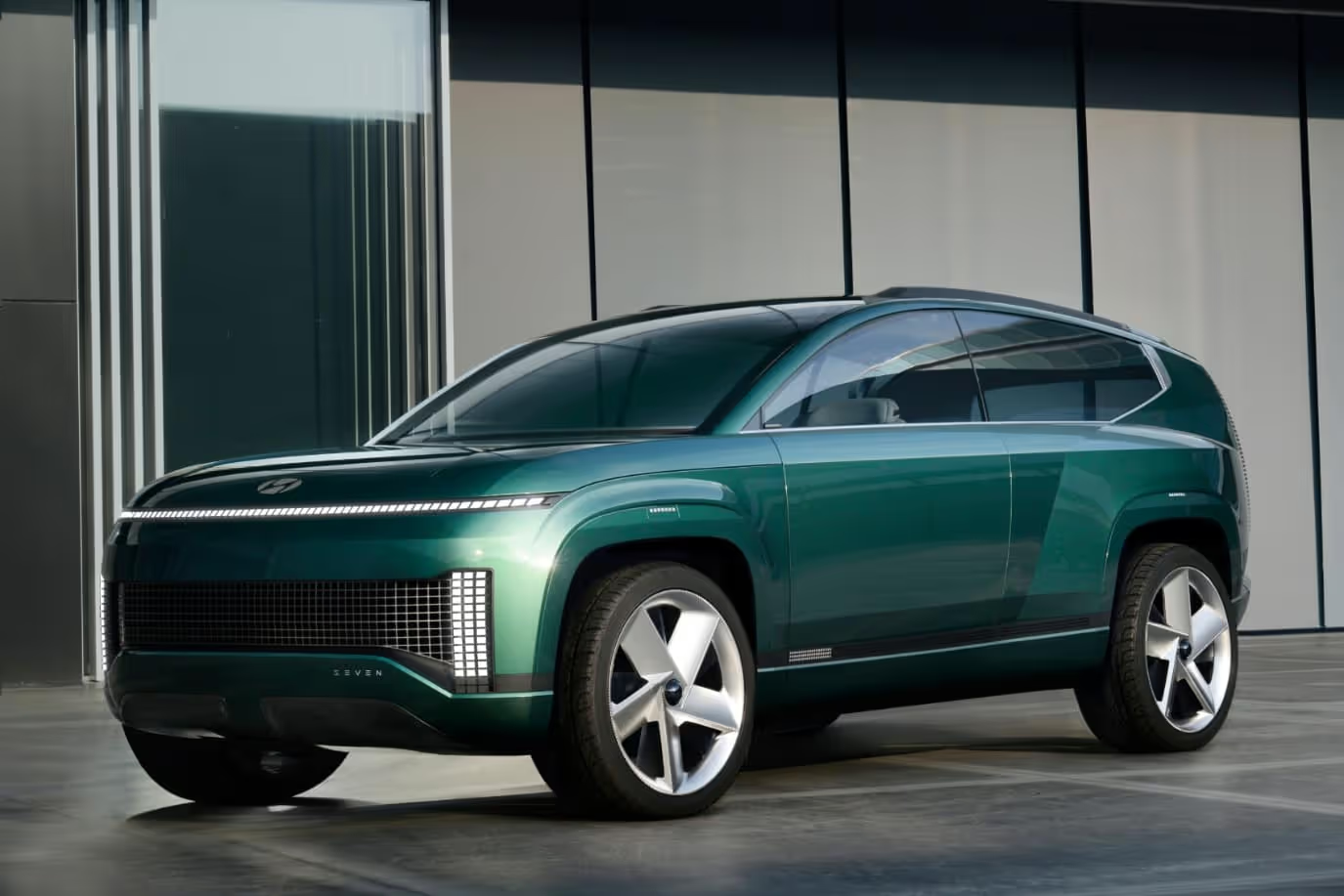
1. Best Overall: 2025 Hyundai Ioniq 7
The Ioniq 7 scales up Hyundai’s successful E-GMP platform into a full-size, three-row SUV, proving that large, family-hauling vehicles can be sustainable. This model challenges competitors like the Tesla Model Y and Kia EV9.
It focuses on lounge-like interiors, innovative technology and a strong commitment to sustainable materials. Its cabin features recycled plastics in fabrics, bio-based paints on interior panels and other eco-processed materials to minimize the need for plastics and chemicals.
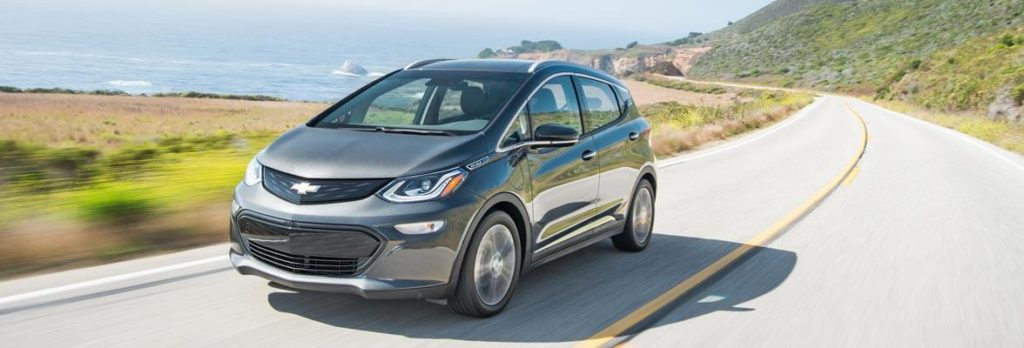
2. Best Value: 2025 Chevrolet Bolt EV
The Bolt’s return democratizes EV ownership. While it’s not the flashiest of eco-friendly cars, it does make sustainability more accessible. This compact, all-electric hatchback offers a reliable EV priced below $30,000, giving more people the opportunity to switch to zero-emission driving.
The Chevy Bolt EV’s greenest credential is its price tag. Making electric cars more affordable accelerates the transition away from combustion engines for the average driver.
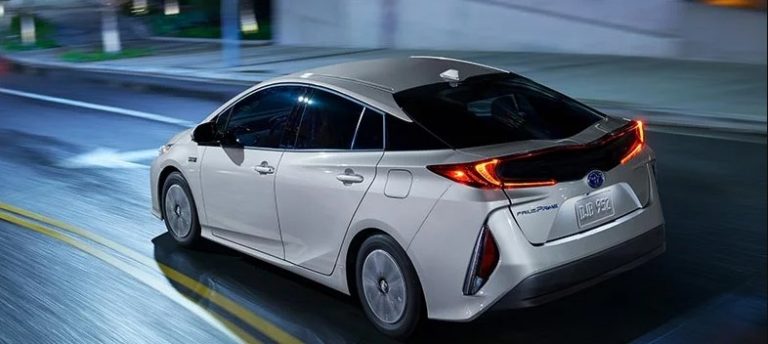
3. Best Hybrid Performer: 2025 Toyota Prius Prime
The Prius Prime represents the pinnacle of plug-in hybrid EV (PHEV) technology. It offers a robust all-electric range that covers the average American’s daily commute, enabling it to serve as an EV for day-to-day life. For longer trips, its hyper-efficient gas engine eliminates the need for charging stops.
This Toyota is a perfect transition vehicle. Its significant EV range cuts gas consumption for daily use, while its hybrid system minimizes emissions on long journeys.
4. Best for Innovation: 2025 Lucid Air Pure
The Lucid Air Pure stands out due to its record-breaking electric powertrain efficiency — at five miles per kWh — with a class-leading range of over 400 miles. Its cutting-edge battery technology and aerodynamics mean it can travel farther using less energy, which is the core of automotive sustainability.
This luxury sedan maximizes miles per kWh, reducing raw material use. It also tackles the issues of energy consumption and reduces the lifetime demand on the electrical grid compared to less efficient EVs.

5. Best for Adventure: 2025 Kia EV9
The EV9 is a game-changer for eco-conscious families who love going on adventures. This three-row SUV comes with bold styling and a commitment to sustainability that is woven into its design. It has a spacious, tech-filled cabin with ample cargo room, impressive electric range, incredible towing capacity and innovative features like an onboard power generator.
The 2025 Kia EV9 features 10 sustainable materials, from bioplastics and recycled PET fabric to Bio PU foam and paint. It also phases out animal leather.

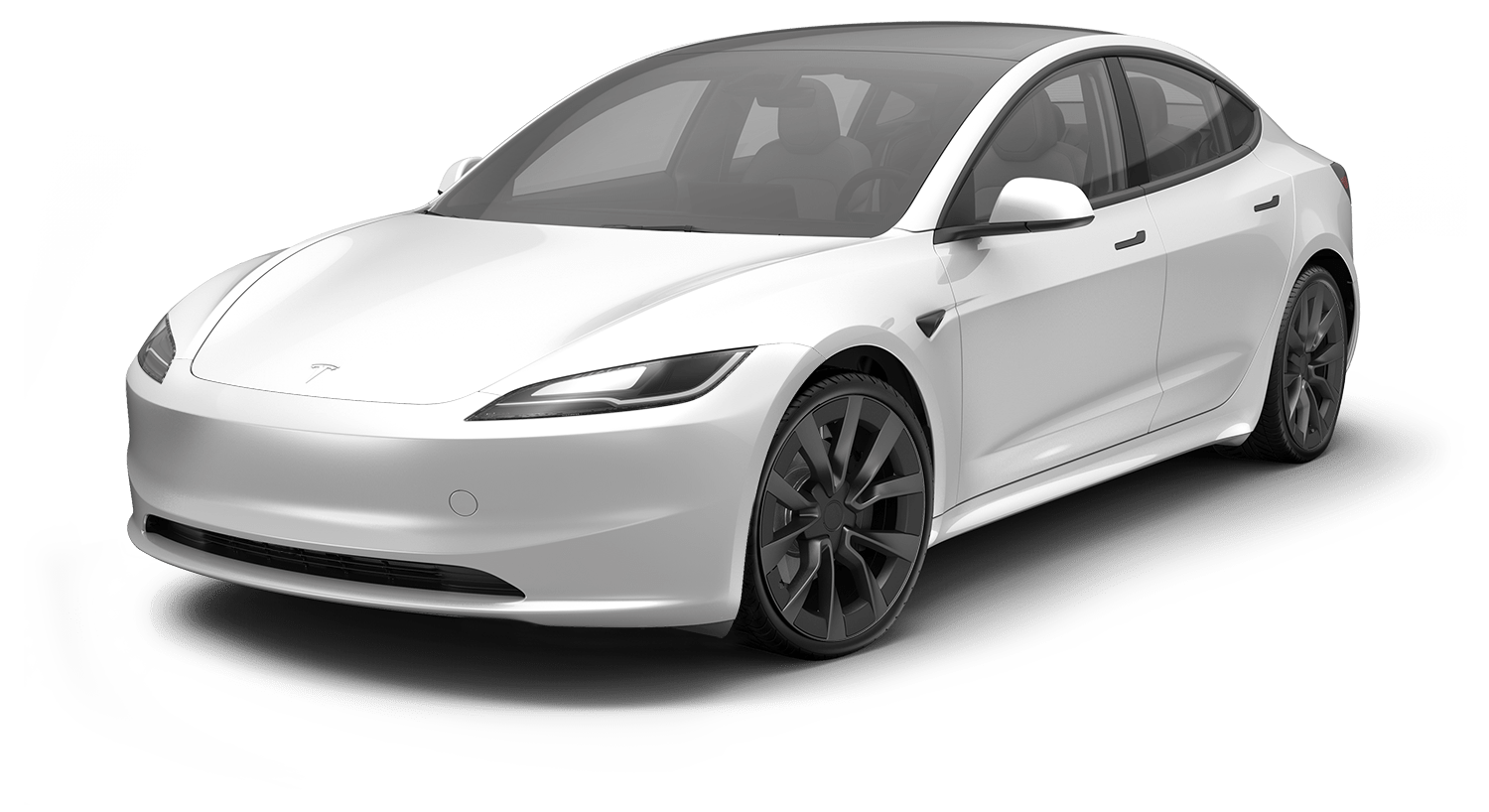
6. Best for Technology Integration: 2025 Tesla Model 3
The Tesla Model 3’s eco-friendly advantage extends beyond its efficient powertrain. It seamlessly integrates the vehicle’s software, an intuitive user interface, and access to a vast and reliable Supercharger network. This combination simplifies EV driving, even for long-distance travel.
This battery-electric, midsize sedan’s efficiency and reliable charging network encourage higher rates of adoption. It makes pure electric travel more viable compared to other systems.
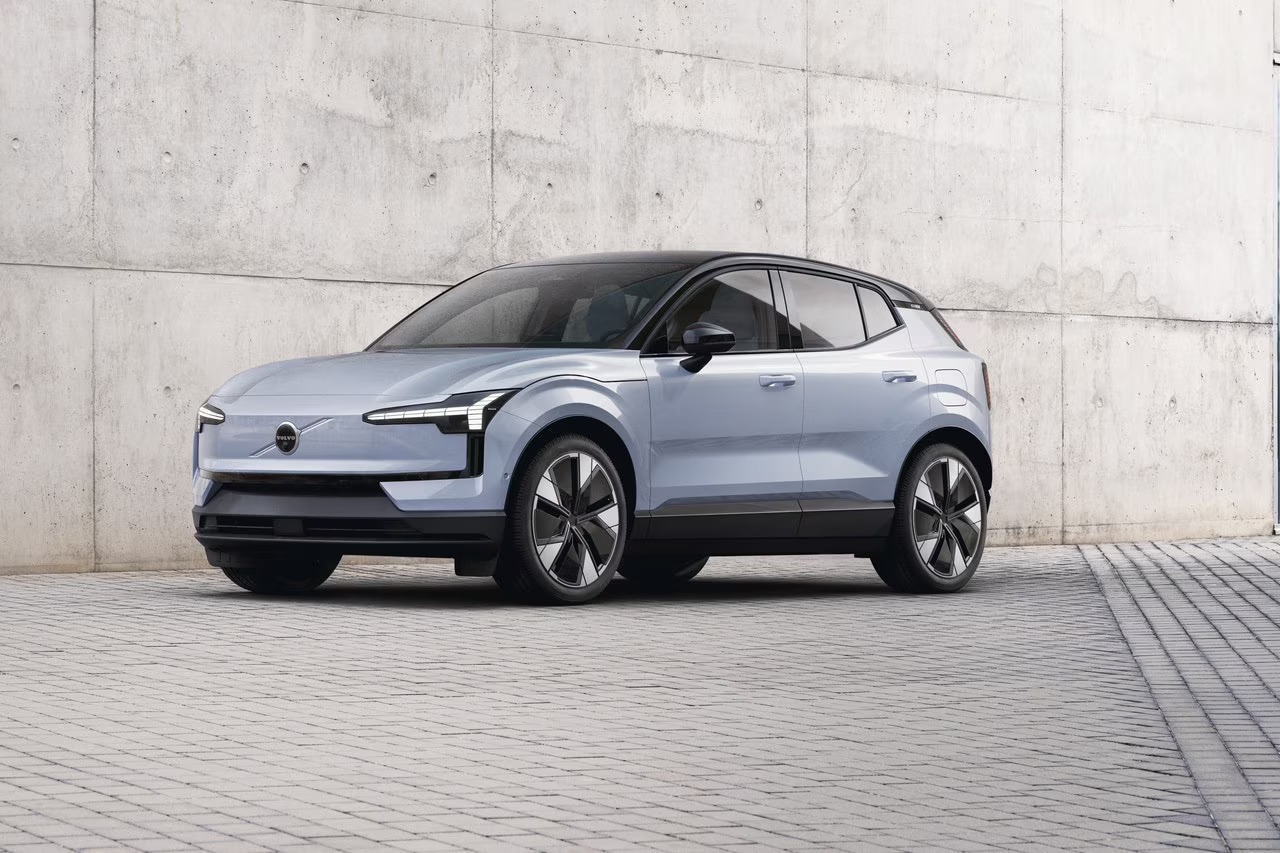
7. Best for Sustainable Design: 2025 Volvo EX30
The automaker adopted a holistic approach to sustainability with the EX30, aiming to achieve a Volvo with the lowest life cycle carbon footprint. This goes beyond just the powertrain to include the materials used, the manufacturing process and the supply chain.
The EX30 is a masterclass in material science. It uses a high percentage of recycled materials and innovative and renewable interior surfaces, reducing the carbon footprint associated with manufacturing.
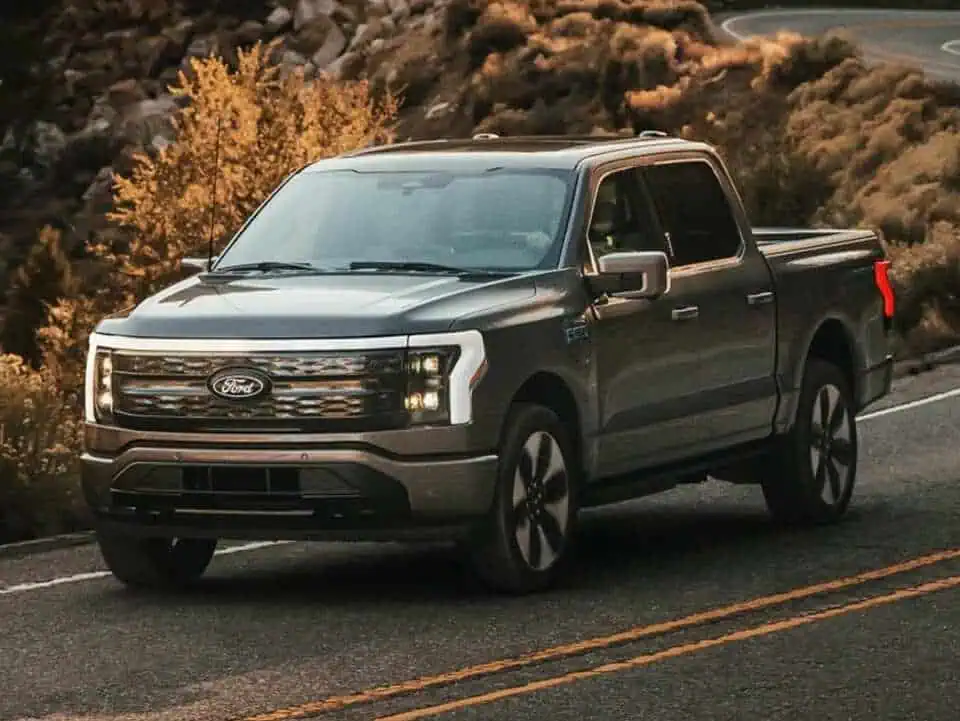
8. Best Electric Truck: 2025 Ford F-150 Lightning
The F-150 Lightning’s importance cannot be overstated. By electrifying the bestselling vehicle in America, the automaker is bringing zero-emission driving to a massive and traditionally gas-guzzling market segment. Its familiarity and utility make it a comfortable first step into EVs for many truck owners.
The Lightning’s green contribution is market transformation. A single pickup replacing a gasoline V8 truck on the road represents a massive reduction in annual carbon emissions, especially when multiplied across thousands of units.
Evaluating the Greenest Cars of 2025
It takes more than superb fuel economy to give a vehicle “green” credentials. To gauge their impact on the environment, the models on this list were evaluated based on the following criteria:
| Life cycle carbon footprint | How much are the estimated “cradle-to-grave” emissions? These include everything from raw material mining to the energy used during its life cycle. |
| Powertrain efficiency | How effectively does the vehicle use energy, whether that’s electricity, gas or a combination of both? |
| Sustainable materials and supply chain | Does the vehicle use innovative bio-based materials, recycled metals, plastics and fabrics? What efforts did the manufacturer take to create a more ethical and environmentally sound supply chain? |
| Innovation and market impact | Is the car innovative in a way that pushes the industry forward? |
| Real-world usability | How practical is the vehicle to drive and own? Does its battery range, charging speed and overall utility make it a viable replacement to traditional cars? |
Beyond the Showroom: A Car’s True Environmental Footprint
Looking at the bigger picture is a must to truly understand sustainability. This includes where the materials and energy come from and what happens when the car is no longer in use.
The Connection Between Vehicle Type and Footprint
The overall impact shifts depending on whether the vehicle is fully electric or hybrid, as each has a different profile for its manufacturing and in-use emissions.
For example, battery EVs (BEVs) have a significant manufacturing or upstream footprint, from mining materials to manufacturing their battery packs. However, they have zero tailpipe emissions. Meanwhile, plug-in hybrids have a medium initial impact. Their manufacturing footprint is lower than that of BEVs because they have smaller batteries. However, they still have the complexity and emissions associated with creating a full gasoline engine.
The Battery Life Cycle, From Mining to Recycling
Mining materials like lithium, cobalt and nickel come with ethical and environmental challenges. While it generates less carbon dioxide than fossil fuel mining, cobalt mining still produces around 1.6 million tonnes of emissions.
Manufacturing batteries is also energy-intensive, and a significant portion of the embedded carbon in EVs comes from this phase. Many automakers are working on powering their battery plants with renewable energy to mitigate this.
The great news is that EV batteries won’t be sitting in landfills at the end of their service life. There are ways to use them for stationary energy storage or break them down to recover valuable raw materials. This creates a circular economy that reduces the need for mining.
The Grid’s Impact on an EV’s Sustainability
Eco-friendly cars are only as green as the grid that charges them. There’s a huge difference between the lifetime emissions of an EV charged with high renewable energy versus one that relies heavily on coal.
Several concepts that harness the green potential of electric cars are in development. For instance, the idea of vehicle-to-grid means EVs can act as a collective battery to help stabilize the electrical grid. Smart charging or charging during off-peak hours, when electricity is cheaper and often cleaner, is another promising strategy.
Finding Your Place in the Electric Revolution
2025 marks a clear turning point. The wide array of top-tier eco-friendly cars proves that sustainable driving is no longer a niche concept but a mainstream reality.
There’s a sustainable vehicle for you, whether you prioritize budget, family size, off-roading or luxury. In some cases, green alternatives even surpass their gasoline-powered rivals in terms of technology and performance.
True sustainability goes beyond fuel efficiency. It requires consumers to think about where a car’s energy and materials come from. The future of green driving is as much about a clean grid and circular economy as it is about the vehicle itself.
If you’re considering an EV for your next daily driver, use this guide to make an informed decision. The best eco-friendly car is the one that fits your life and helps move the world toward a better future.
Frequently Asked Questions
What Is the Most Important Factor When Choosing an Eco-Friendly Car?
It depends on your lifestyle. For daily driving, a BEV’s range and its ability to charge at home may be ideal. If you take frequent long trips, the flexibility of a PHEV or a BEV with access to a robust fast-charging network is more important.
Are Electric Cars Truly Better for the Environment?
Yes, studies consistently show that over their entire life cycle, EVs have a significantly lower carbon footprint than gas cars. This advantage grows even larger when the electric car is charged using electricity from renewable sources.
Will an Electric Car Save You Money?
Yes, while the initial purchase price can be higher, savings on fuel and maintenance are substantial. Electricity is cheaper per mile than gasoline. Moreover, EVs don’t need oil changes, spark plugs and other common engine essentials.
References and Useful Resources
IEA.org: Trends in electric car markets
MotorTrend: Gasoline vs Electric Cars: Not Much Has Changed in 100 Years
GreenCars: History of Early Electric Cars
Mining.com: CO2 emissions from cobalt production expected to soar — report