Understanding the relationship between tires and fuel efficiency is key to lowering your carbon footprint when driving. This statement holds true regardless of whether your vehicle runs on fossil fuel or clean electricity. Discover why your tires may unnecessarily increase your fuel consumption and practical tips to cutting car emissions.
Factors Influencing the Relationship Between Tires and Fuel Efficiency
Here are the reasons why tires can negatively impact fuel economy.
1. Rolling Resistance
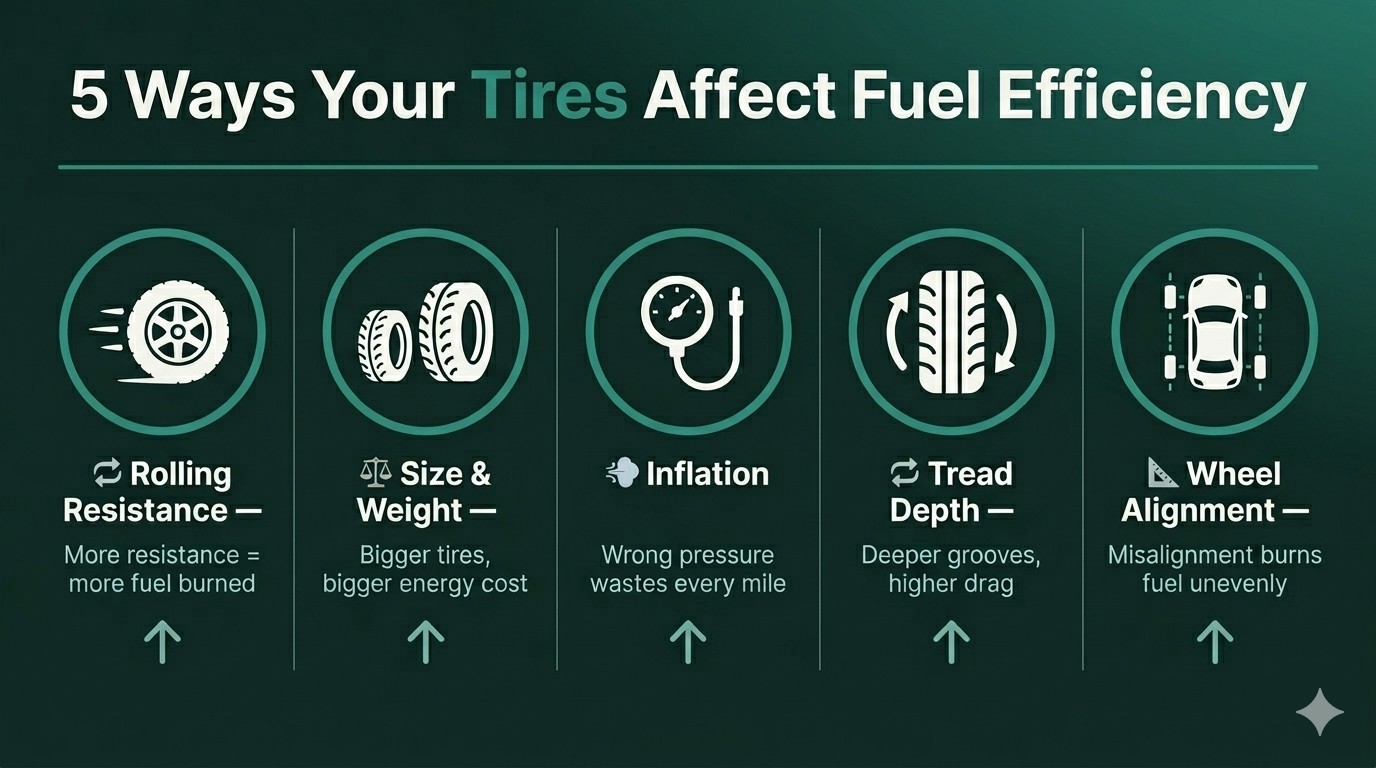
Rolling resistance is the energy consumed by tires when moving. Rubber uses mechanical energy to deform against the road but doesn’t instantaneously recover it upon release as it returns to its original shape. This loss adds up over repeated cycles of flattening and expanding.
Higher resistance requires more effort. Your vehicle must expend more energy to make up for the wasted fuel and keep the tires rolling at a consistent speed over a surface.
2. Size and Weight
Larger, wider and heavier tires dramatically cut fuel efficiency because of higher rotational mass, which is the weight of any component in the tire-wheel assembly that spins. The greater it is, the more energy it requires to accelerate, brake and change direction.
Automobiles with oversized tires are less aerodynamic. They experience greater drag from air resistance, forcing their engines to burn more fuel to maintain motion. Aerodynamic drag increases with speed, as it’s proportional to the square of the velocity. Doubling your speed quadruples this resistive force. The faster you go, the more power your vehicle needs to overcome the drag.
Bigger, heftier tires have larger contact patches. A greater portion of these tires touch the road surface, contributing to rolling resistance.
3. Inflation
Going under the manufacturer’s recommended tire pressure results in decreased fuel efficiency. Underinflated tires put more rubber on the road, requiring more fuel to keep rolling.
In contrast, exceeding the ideal tire pressure can lead to slightly better fuel economy and firmer handling. However, less friction limits road contact, which reduces traction, increases braking distance and decreases cornering grip. Overinflated tires cause harsher rides and are more prone to blowouts.
4. Treads
Tires are treaded to increase grip, safety and performance. The deeper and the more aggressive or complex the grooves are, the higher the rolling resistance.
A car’s fuel efficiency improves over time as its tires wear down. However, uneven tread wear can negatively affect energy consumption by reducing traction and increasing drag.
5. Alignment
Cars on misaligned wheels are fuel-inefficient because their tires experience great rolling resistance and irregular tread wear. Sudden impacts jolt the suspension system, causing its components to shift.
Driving on rough roads frequently and hitting speed bumps, potholes, curbs and debris are primary causes of wheel misalignment. Minor accidents, vehicle height modifications and suspension degradation are other common culprits.
9 Tips for Minimizing the Impact of Tires on Fuel Efficiency
Considering how impactful tires are on your vehicle’s energy consumption, you ought to be more mindful of the type of tire set you have and its maintenance. These nine practical tips should help you be a more sustainable car owner.
1. Use Low-Rolling-Resistance (LRR) Tires
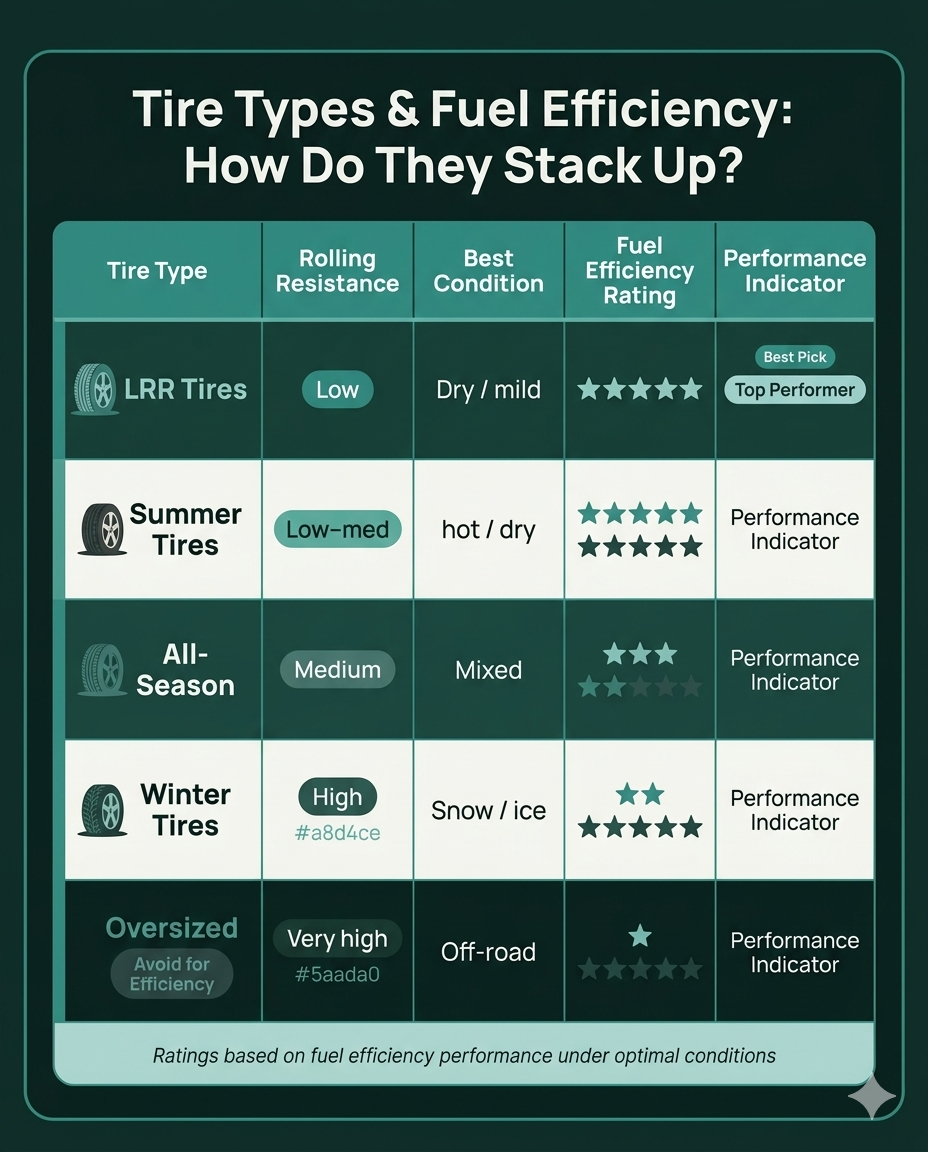
Install LRR tires to enhance fuel economy in gas- and diesel-powered automobiles and the range of electric vehicles. They have silica instead of carbon black in rubber, tighter and shallower treads, stiffer sidewalls, lower weight and narrower contact patches. These intentional design decisions boost fuel efficiency.
On the flip side, LRR tires have less grip. Swap your old tires for these only when you normally don’t drive in wet, frigid, icy and snowy conditions for safety reasons. They’re more vulnerable to hazards on unpaved or rough roads, such as deep potholes and sharp rocks.
2. Keep Wheels Aligned
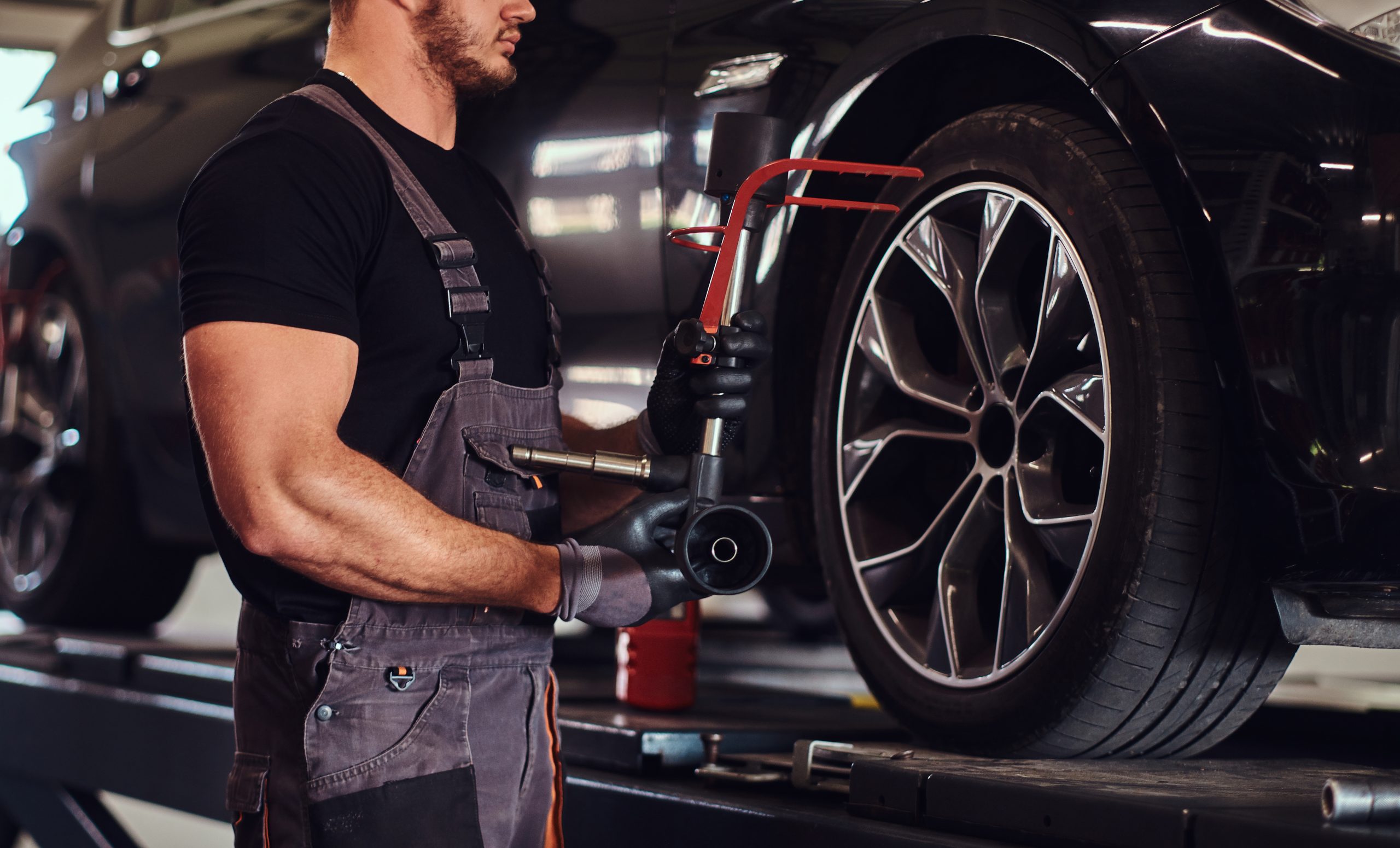
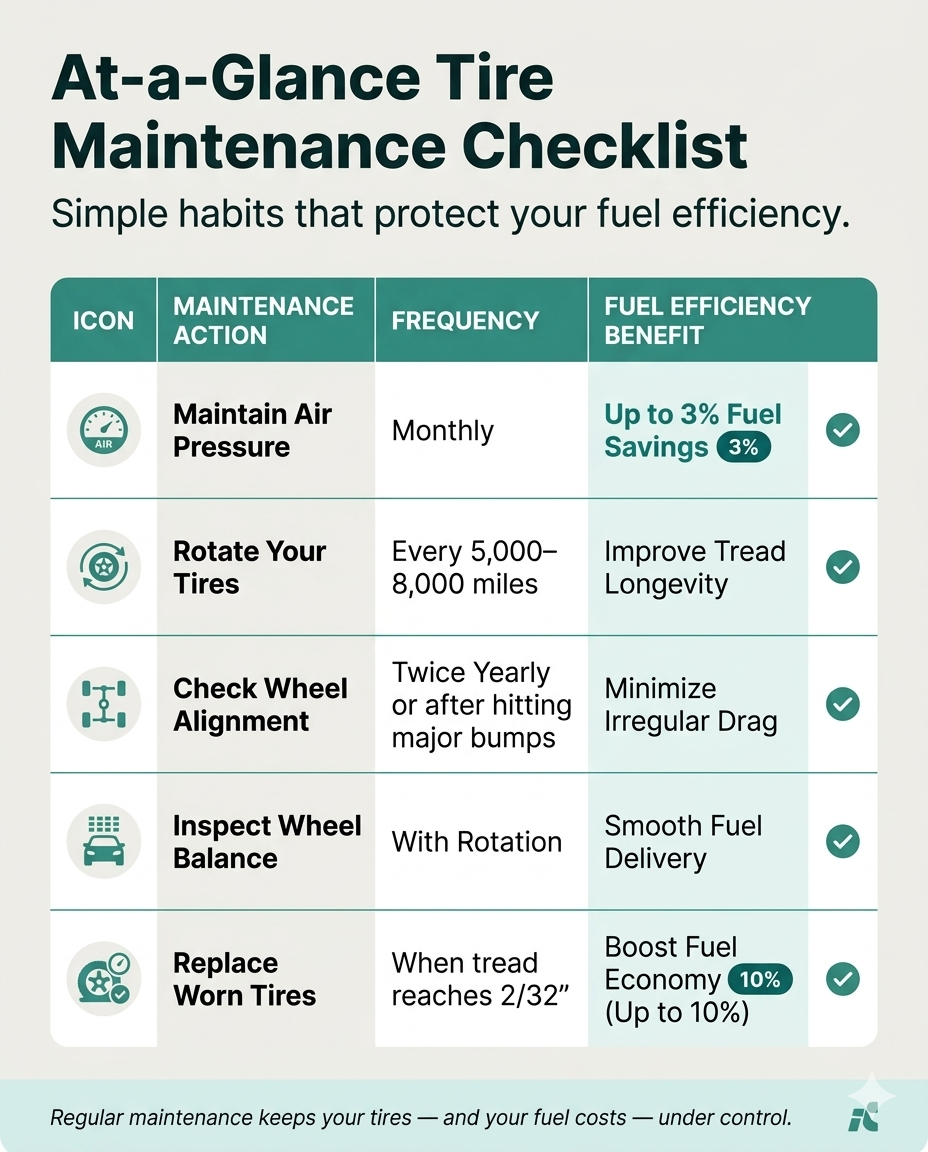
Maintain proper wheel alignment to minimize rolling resistance and help ensure equal tread wear. It allows you to get up to 10% more mileage out of gas. Most dealers, independent auto shops and tire centers offer this service. Many invest in automatic camera booms and 3D laser scanners to take precise measurements quickly and finish the job efficiently.
However, you can align your vehicle’s wheels at home with basic tools, such as wrenches, jack stands and tape measures. The string method is a common approach. It involves creating a square box around the car by stretching a string or fishing line from one corner of each jack stand.
By measuring the distance between the string and the front tire rim’s front and back, you’ll be able to tell whether the wheels are toeing out or in. A toe-out occurs when the front edges of the wheels are farther apart than the rear tires. A toe-in is the opposite.
Once you know the difference between the two measurements, you can loosen the jam nut and adjust the tie rods according to your car’s specifications. Do-it-yourself car maintenance comes with risks. Ensure you’re up to the task to avoid causing more harm than good and unnecessarily endangering yourself.
3. Inflate Tires Properly
Monitor tire pressure. Aim for the manufacturer’s recommendation to balance fuel efficiency and safety. A portable air compressor allows you to check each tire’s pressure at home and inflate it if necessary.
Cold tire pressure serves as a reliable baseline, since air expands as you drive. The best time to verify inflation is before you start your commute. The sun can warm your tires if you park outside, so do it in the morning.
4. Have an Identical Tire as a Spare
Consider using a full-sized tire as a spare rather than a donut. Donut tires have a smaller diameter. Driving on one forces your vehicle to burn more energy to maintain the same speed while rotating.
However, donut tires are only for emergency purposes. They’re lighter than standard tires, which minimizes the vehicle’s overall weight. Keeping a donut in the trunk rather than a full-sized spare helps improve fuel economy due to the lighter weight. If you rarely drive in the middle of nowhere, replacing a flat or blown-out tire with one may be more energy-saving. After all, you only need to drive on it over a short distance.
5. Rotate Tires Regularly
Change each tire’s position in your car to ensure even tread loss. Rotating them every 6,000 to 8,000 miles is a good rule of thumb. Not remembering the last time you repositioned your tires indicates that a rotation is overdue. The same logic applies when you notice odd wear patches. Handling issues and strange vibrations are also red flags.
The ideal rotation pattern depends on your vehicle’s drivetrain, tire symmetry and size, and the availability of an identical spare. The forward cross is one of the most common patterns. It applies to front-wheel-drive cars with the same-sized, nondirectional tires.
6. Monitor Tread Wear
Keep an eye on unbalanced tread loss. Worn-out tires reduce fuel efficiency when the grooves on some are shallower than those on others.
The penny test is a crude but effective way to check tread depth. Insert Abraham Lincoln’s head into the deepest groove in every tire. The coverage of the head should be the same across the board.
7. Rethink Installing Oversized Tires
Install larger tires only if you have an off-road vehicle. They can improve ground clearance, traction in rough terrain and bump absorption. Otherwise, nothing compensates for burning more energy per mile.
Aside from reduced fuel efficiency, oversized tires can accelerate vehicle wear and tear. They put more stress on axles, bearings and suspension components. Larger, heavier tires may require costly modifications and skew odometer readings.
8. Get Seasonal Tires
Invest in separate sets of tires for summer and winter months. Summer tires have low rolling resistance in warmer climates, and winter tires don’t boost fuel efficiency. However, using those optimized for hot weather in frigid conditions increases the risk of an accident due to reduced traction, and it also wastes energy.
All-season tires are cost-effective only in moderate climates. They may reduce seasonal swaps in light winter conditions but are less effective in thick ice and deep snow. They also experience faster tread loss. Frequent tire replacement isn’t eco-friendly.
9. Learn to Drive Smoothly
Practice responsible driving. Reckless behaviors aren’t only dangerous to yourself and others but can also empty your tank or drain your battery more quickly.
None of the above tips matters in tire integrity and fuel efficiency if you’re a menace on the road. Avoid hard acceleration, excessive speeding, tailgating, aggressive maneuvering and abrupt braking. Failing to signal when changing lanes and making turns can lead to sudden, jerky movements.
Traffic anticipation, smooth steering, safe distance maintenance, coasting and predictable driving are responsible road behaviors. Obey traffic signals and road signs at all times, regardless of vehicular volume. Say no to distracted or impaired driving and steer clear of dangerous passing.
Conclusions
Tires have a significant impact on fuel efficiency. Even the smallest details about them can move the needle in energy consumption.
Rolling resistance, aerodynamic drag, rotational mass, tire pressure, tread depth and pattern, and wheel alignment sound technical. However, having surface knowledge of these concepts is enough to select the right set and maintain them accordingly.
LRR and seasonal tires have merits but also have drawbacks. Using oversized tires is bad news for fuel efficiency, while having a standard tire as a spare is practical when traveling away from civilization. Whatever type you install, rotating them, keeping them aligned and ensuring even tread loss are a must.
Mindful tire selection and proper maintenance help, but when the rubber meets the road, it’s all about sustainable driving behavior. You can reap and maximize your fuel efficiency gains with your tires only when you’re level-headed behind the wheel.
Frequently Asked Questions
How Much Do Tires Affect Fuel Efficiency?
Tires can affect fuel efficiency significantly. The level of impact depends on material, size, weight, inflation, and tread depth and pattern. Brand-new oversized tires that use carbon black and have deep, complicated grooves waste the most energy.
What Is the 3% Rule for Tires?
The 3% rule states that the replacement tires shouldn’t be 3% larger or smaller than the original set. It’s a handy memory aid to avoid buying excessively oversized tires that waste fuel.
What Type of Tires Increase Fuel Efficiency?
Low-rolling-resistance tires improve fuel efficiency. However, they’re less ideal on slippery surfaces because they have less grip. Using seasonal tires can conserve energy when driving in extreme weather conditions.