The renewable energy industry has entered a period of rapid transformation. Across the globe, nations are investing heavily in wind, solar, and offshore energy projects to reduce carbon emissions and meet ambitious climate targets. This growth brings enormous opportunities for skilled professionals, but also introduces new safety challenges. As turbines get taller and projects expand into deeper waters, the need for standardized training and globally recognized safety practices becomes more urgent than ever.
The rise of renewable energy jobs
Employment in renewable energy is accelerating at a record pace. According to recent international reports, more than 13 million people now work in the sector, with wind energy leading the expansion. Offshore and onshore wind farms are being constructed on nearly every continent, from the North Sea to the American Midwest and the Asia-Pacific coastlines.
This growth not only boosts economies but also drives demand for a well-trained, safety-conscious workforce. Every new wind project requires technicians who can perform maintenance, troubleshoot turbine issues, and respond to emergencies. As the industry matures, employers are recognizing that technical expertise alone is not enough, comprehensive safety training is essential to sustain long-term success.

Why safety is key to sustainable energy development
Safety is a foundation of sustainability. In the rush to deploy renewable technologies, organizations must ensure that environmental goals do not overshadow human protection. Wind turbine technicians, offshore engineers, and maintenance crews often work at extreme heights and in unpredictable weather conditions. Without proper training, even routine maintenance tasks can become dangerous.
Strong safety protocols protect not just individual workers but entire operations. When incidents are reduced, downtime decreases, morale improves, and project reliability increases. This is where industry-standard training programs, such as gwo certification, play a critical role. These certifications equip renewable energy professionals with the technical knowledge and safety awareness to operate efficiently and confidently in challenging environments.
The importance of GWO certification
The Global Wind Organisation (GWO) was established by leading wind turbine manufacturers and operators to create a unified safety and training standard for the industry. Its goal is simple but vital, to ensure that everyone working in the wind energy sector has access to the same high-quality safety education, no matter where they are in the world.
GWO certification represents a globally recognized benchmark. It assures employers that a technician has the skills to perform their duties safely and effectively. Workers who earn this certification gain a competitive edge in the job market and can transition seamlessly between projects and countries. This global consistency strengthens safety outcomes across the entire renewable supply chain.
Training typically covers essential safety topics like working at height, first aid, manual handling, fire awareness, and sea survival. Each module is designed to simulate real-life scenarios, preparing participants for the
 unpredictable nature of offshore and onshore wind environments.
Core modules that shape GWO training
Each GWO course is structured around practical skills and realistic exercises. Participants learn how to handle the most common risks in the wind sector.
- Working at height: Teaches safe climbing, rescue procedures, and proper use of harnesses.
- First aid: Focuses on immediate response in case of workplace injury or medical emergency.
- Fire awareness: Prepares workers to identify, prevent, and respond to potential fire hazards.
- Manual handling: Guides participants in safe lifting techniques to prevent strain and musculoskeletal injuries.
- Sea survival: Required for offshore workers, covering evacuation, life raft use, and rescue coordination.
By mastering these core competencies, trainees leave with not only technical expertise but also confidence to perform their duties safely and efficiently in demanding conditions.
How training drives climate-positive job creation
Renewable energy doesn’t thrive on technology alone, it depends on people. Building a climate-positive future requires a workforce that understands the complexities of sustainability and safety. By providing structured, accredited training, organizations ensure that the energy transition is both environmentally and socially responsible.
When companies invest in certified training, they also open doors for new workers entering the green economy. Many technicians who complete GWO courses find opportunities in emerging markets where wind development is expanding. These programs create pathways for stable, long-term employment, especially in regions transitioning away from fossil fuels toward clean energy solutions.
Locations leading the clean energy training movement
Several regions have become leaders in renewable energy training. Europe remains at the forefront, with extensive wind development across Denmark, Germany, and the United Kingdom. Each of these nations has invested in specialized facilities that train thousands of technicians every year.
In the United States, wind energy is now one of the fastest-growing sources of power generation. States like Texas, Iowa, and Oklahoma are expanding their wind capacity while also developing training centers that meet international safety standards. The Asia-Pacific region is also rapidly catching up, with major investments in offshore wind in countries like Taiwan, Japan, and Australia.
These training hubs are not only producing skilled workers but also fostering collaboration between governments, industry leaders, and educational institutions. Their efforts ensure that as renewable infrastructure grows, safety and skill development keep pace.
How GWO certification aligns with global climate goals
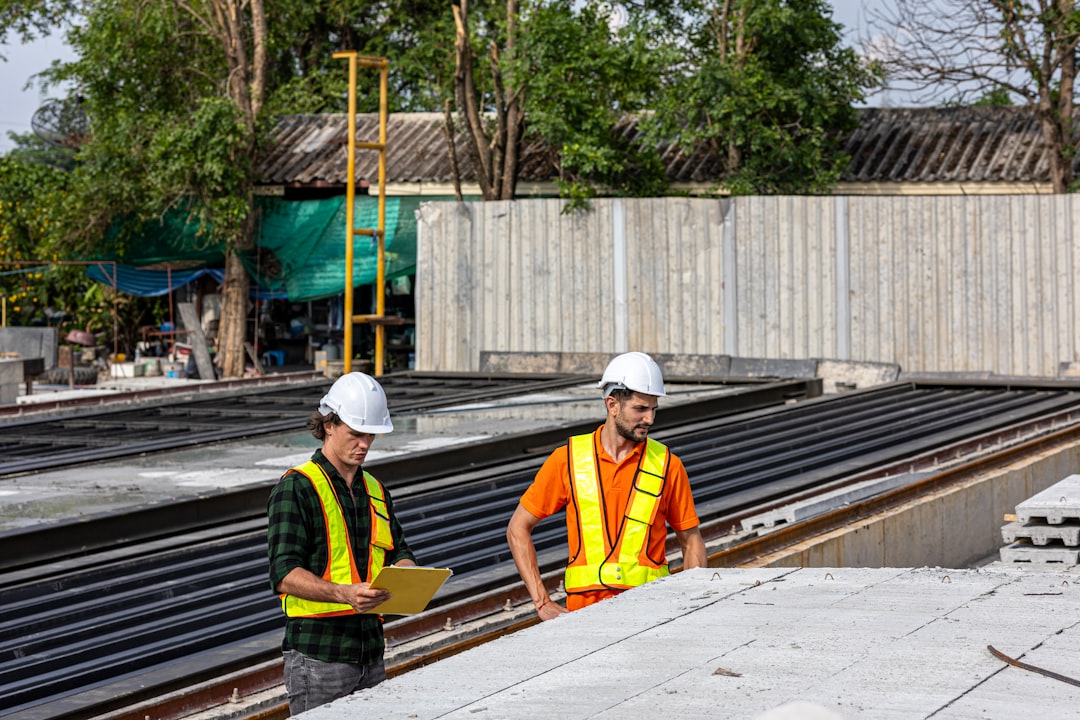
The renewable energy sector sits at the heart of the global fight against climate change. International frameworks such as the Paris Agreement and the United Nations Sustainable Development Goals emphasize the importance of sustainable jobs and decent work conditions.
GWO certification aligns perfectly with these objectives by setting international safety standards and improving worker welfare. Certified training ensures that renewable energy expansion does not compromise worker rights or wellbeing. By creating consistent, reliable education frameworks, the industry can scale up responsibly, reducing accidents and building trust among investors, regulators, and the public.
Adapting training for emerging technologies
The renewable energy industry is constantly evolving. New turbine designs, floating platforms, and digital monitoring tools are transforming how projects are built and maintained. GWO courses continue to evolve to reflect these changes, ensuring that training remains relevant and practical.
Modern courses incorporate simulations and virtual reality to recreate real-world environments. These immersive learning experiences help trainees practice skills before performing them in live conditions. As automation and data-driven maintenance systems become more common, future GWO modules may also include digital safety management and smart equipment training.
How certified workers strengthen operational reliability
Certification benefits extend far beyond compliance. Teams composed of GWO-certified technicians demonstrate higher performance and reliability. They understand the importance of pre-task safety checks, communication protocols, and emergency response. As a result, companies experience fewer disruptions, reduced accident rates, and improved project timelines.
In an industry where efficiency directly affects profitability and sustainability, well-trained personnel make the difference between success and risk. Certified teams become the foundation of safer, more sustainable operations, building trust among clients and partners.
Stories of transformation in wind energy safety
Many professionals who complete GWO courses describe a transformation in how they approach work. Technicians gain a deeper respect for safety protocols and teamwork, while supervisors appreciate the increased confidence and independence of their crews. In large-scale projects, even small improvements in safety culture can have a massive impact on operational outcomes.
Former trainees often report feeling better prepared to handle emergencies and make critical decisions under pressure. They develop stronger communication skills and learn to anticipate hazards before they escalate. This proactive mindset reduces workplace incidents and fosters a culture where safety becomes second nature rather than an afterthought.
These stories highlight the human side of renewable energy, the men and women who ensure that every turbine operates safely and efficiently, advancing the global transition toward clean power.Claude can make mistakes. Please double-check responses.
Building the next generation of renewable leaders
The future of renewable energy depends on continuous investment in education and mentorship. Young professionals entering the field must be equipped not only with technical expertise but also with the mindset to lead safely and sustainably. Training programs like GWO certification empower them to take ownership of both their careers and the planet’s future.
Governments, educational institutions, and industry partners can collaborate to expand access to certified training. By supporting scholarships, internships, and apprenticeships, they can attract diverse talent and create equitable pathways into green careers.
Conclusion
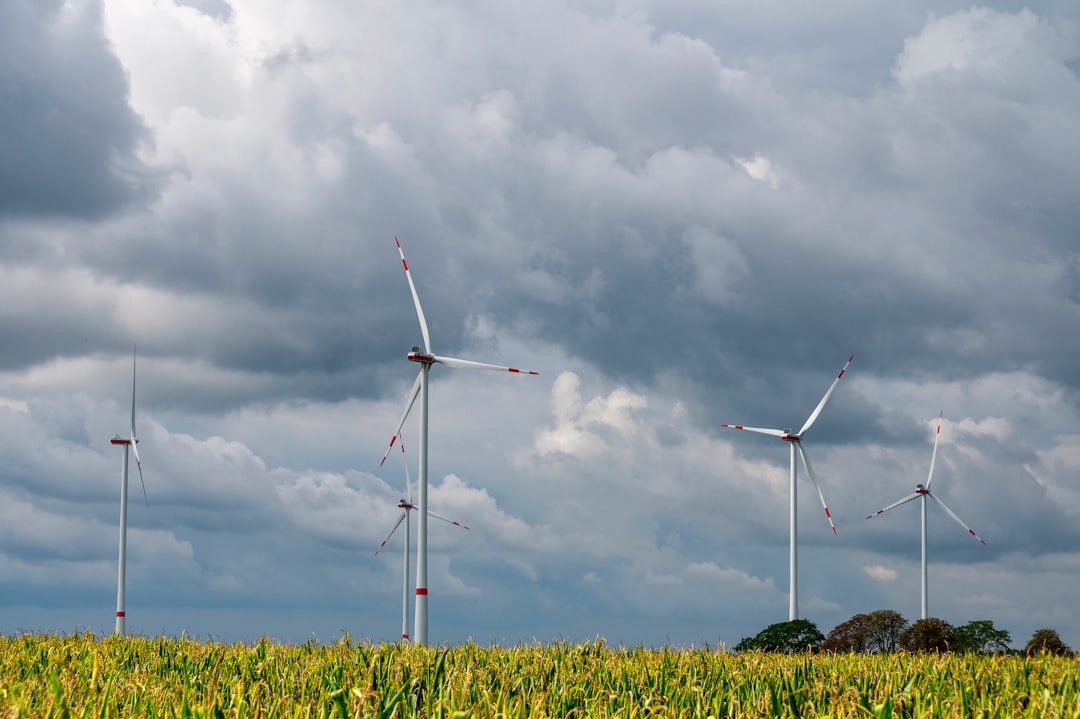
Safety and sustainability go hand in hand. As renewable energy projects expand across the world, the need for standardized, certified training becomes vital. Programs such as gwo certification ensure that technicians and engineers have the skills, awareness, and confidence to work safely while supporting the transition to cleaner energy sources.
Organizations that invest in training strengthen not only their operations but also their reputation as responsible leaders in the global energy movement. Providers like FMTC Safety are helping companies achieve these goals by offering internationally recognized programs that prepare professionals for the demands of modern renewable energy. A safer workforce means a stronger, more sustainable planet, and that begins with proper training.
Frequently Asked Questions
What is GWO certification?
GWO certification is an international safety standard for wind energy workers that shows you are trained to work safely on turbines and related sites.
Why is safety training important in renewable energy?
Wind and offshore work involves heights, heavy equipment, and changing weather, so proper training reduces accidents and keeps projects running smoothly.
Who should take GWO training?
GWO training is ideal for wind turbine technicians, offshore crews, construction teams, supervisors, and anyone moving into a wind energy role.
What topics are covered in basic GWO courses?
Core modules include working at height, first aid, fire awareness, manual handling, and sea survival for offshore staff.
How does GWO certification help my career?
It gives you a recognized qualification that many employers require, which makes it easier to get hired and move between projects.
How often do I need to renew my GWO certificate?
Certificates are valid for a set period and then need a refresher course, according to current GWO rules
Can GWO training support our climate and sustainability goals?
Yes, safer, better trained teams reduce incidents and downtime, which supports reliable, responsible renewable energy projects.
References
International Renewable Energy Agency (IRENA): Renewable Energy and Jobs – Annual Review 2024
Global Wind Energy Council (GWEC): Global Wind Report 2024
Global Wind Organisation (GWO): About GWO Training Standards
International Labour Organization (ILO): Skills for Green Jobs: A Global View
U.S. Bureau of Labor Statistics: Wind Turbine Technician Career Outlook
United Nations Framework Convention on Climate Change (UNFCCC): The Paris Agreement
United Nations: Sustainable Development Goal 7: Affordable and Clean Energy