The boardroom needs a new breed of leader—one capable of navigating constant uncertainty while considering the planet in every decision. Traditional business education excels at spreadsheets and quarterly strategies, but falls short on the deeper qualities our volatile world demands: genuine resilience, adaptive thinking, and long-term vision rooted in respect for our shared resources.
The wilderness offers a different classroom entirely. Miles from comfort with only a map and backpack, every choice matters. When your food supply dwindles and storm clouds gather, there’s no faking confidence or delegating survival. The wild strips away pretense and reveals what authentic leadership looks like when everything’s on the line.
This is why forward-thinking organizations are looking beyond their walls for perspective, turning to adventurers and sustainability speakers who bridge both worlds—translating hard-earned lessons from extreme environments into boardroom strategies that actually stick.
Resilience Born from Real Uncertainty
Unpredictability is the wilderness’s only constant. You can study every map and plan each mile, but when a storm rolls in, familiar landmarks vanish. Rivers swell overnight, making planned crossings impossible. Carefully rationed supplies fall short when an extra day gets forced onto your journey.
In these moments, survival hinges on one quality: adaptability.
The best expedition leaders don’t cling to original plans when conditions shift—they immediately begin crafting alternatives. An unexpected snowstorm doesn’t end the climb; it triggers a recalibration. Shelter, conserve energy, find a new route. The mission continues, but the method evolves.
This translates directly to modern business leadership. Market shifts can obliterate quarterly projections overnight. Supply chains break. Regulations change. Leaders who’ve internalized wilderness lessons don’t panic—they adapt. They have mental frameworks for pivoting quickly while keeping their teams focused and moving forward.
Resilience isn’t about rigidly holding on. It’s about bending, recalibrating, and continuing with purpose.

Leave No Trace: The Foundation of Sustainable Business
Spend enough time in wild places and you absorb a fundamental code: leave nothing behind. No trash, no scars, not even campfire ashes. The goal is simple—enjoy the wilderness without damaging it, ensuring the next person experiences the same unspoiled beauty.
For decades, businesses operated by different rules. Growth came first, cleanup later. Waste accumulated, emissions soared, resources were stripped without regard for regeneration. The wilderness reminds us this approach isn’t just unsustainable—it’s ultimately self-destructive.
The corporate equivalent of “Leave No Trace” is emerging in practices like circular economy models, where materials cycle through use rather than ending in landfills. Patagonia exemplifies this ethic—literally telling customers to repair clothing rather than buy new items. They’re taking only what they need, respecting resources, and preserving opportunities for future generations.
This isn’t just environmental responsibility; it’s smart business. Modern consumers scrutinize corporate behavior closely. Leaders who genuinely embrace sustainability don’t just do right by the planet—they build lasting credibility and trust.
Nature’s Patience: Long-term Vision vs. Quarterly Survival
Nature doesn’t operate on quarterly deadlines. Forests require centuries to mature. Rivers carve valleys across lifetimes. Ecosystems move in cycles so slow they make human timescales seem frantic.
Spending time in these environments forces a mental shift. You discover that rushing rarely works and that survival without foresight becomes a dead end.
Consider an expedition that burns through food supplies to cover ground faster. They make impressive daily progress, but when the journey home proves longer than expected, they’re left weakened and vulnerable. Companies make identical mistakes when chasing quick wins at the expense of future resilience.
Sustainable leadership demands a forest-like perspective—patient, layered, and regenerative. You must consider the next generation, not just the next quarter. This means investing in employee development even when it doesn’t immediately boost profits, building supply chain resilience even when it’s initially more expensive, and choosing sustainable practices even when cheaper alternatives exist.
The wilderness teaches that shortsightedness is eventually fatal. So is unsustainable business.
Here is a video from The Economist illustrating how sustainable and eco-focused tourism can have a positive impact.
Authentic Voices: Adventurers in the Boardroom
These lessons gain power when delivered by people who’ve actually lived them. When adventurers who’ve crossed oceans, trekked to poles, or scaled mountains step onto corporate stages, their words carry different weight. They’re sharing tested experience, not theoretical concepts.
Ben Fogle exemplifies this bridge-building role. His resume includes rowing across the Atlantic, climbing Everest, and trekking to the South Pole. But beyond these feats, he’s become a compelling voice for environmental responsibility and sustainable leadership. When Fogle discusses resilience or foresight, he’s drawing from moments when these qualities meant the difference between life and death.
This authenticity transforms corporate communication. Leaders don’t just receive inspiration—they get practical roadmaps for implementing wilderness-tested principles in their organizations. Real stories of storms weathered and obstacles overcome resonate far deeper than any slide presentation.
Collaboration: The Only Path Forward
The wilderness delivers another fundamental truth: no one succeeds alone. Climbers depend on teammates to secure ropes, set sustainable pace, and watch for danger signs. Expeditions succeed or fail based on trust, clear communication, and seamless collaboration.
Sustainability challenges mirror this reality. Climate change isn’t a problem any single company, industry, or nation can solve in isolation. It requires the same collaborative approach that wilderness survival demands—shared loads, complementary strengths, and unified purpose.
At the business level, this looks like cross-sector partnerships, shared innovation investments, and joint commitments to reduced environmental impact. Globally, it manifests as countries aligning on emissions targets and pooling resources for renewable energy transitions.
The wilderness has always understood that collaboration is strength, not weakness. Business leaders are finally catching up.

Putting Wilderness Wisdom into Practice
How do leaders actually implement these insights? Three approaches prove most effective:
Storytelling transforms culture. Share narratives from expeditions and adventures. People remember stories of storms weathered and rivers crossed far longer than they remember data presentations. These stories make abstract concepts like resilience and adaptability tangible and memorable.
Immersive experiences create lasting change. Leadership retreats in natural settings aren’t just perks—they’re perspective shifts. When executives find themselves out of cell range, standing on cliff edges or navigating unmarked trails, they feel uncertainty, scarcity, and interdependence in their bones. These visceral lessons don’t fade when they return to their offices.
Authentic voices amplify the message. Bringing speakers who’ve lived these experiences creates impact no internal presentation can match. Adventurers who’ve survived storms don’t just talk about resilience—they embody it. That embodiment makes their sustainability message land with genuine weight.
The Ultimate Leadership Laboratory
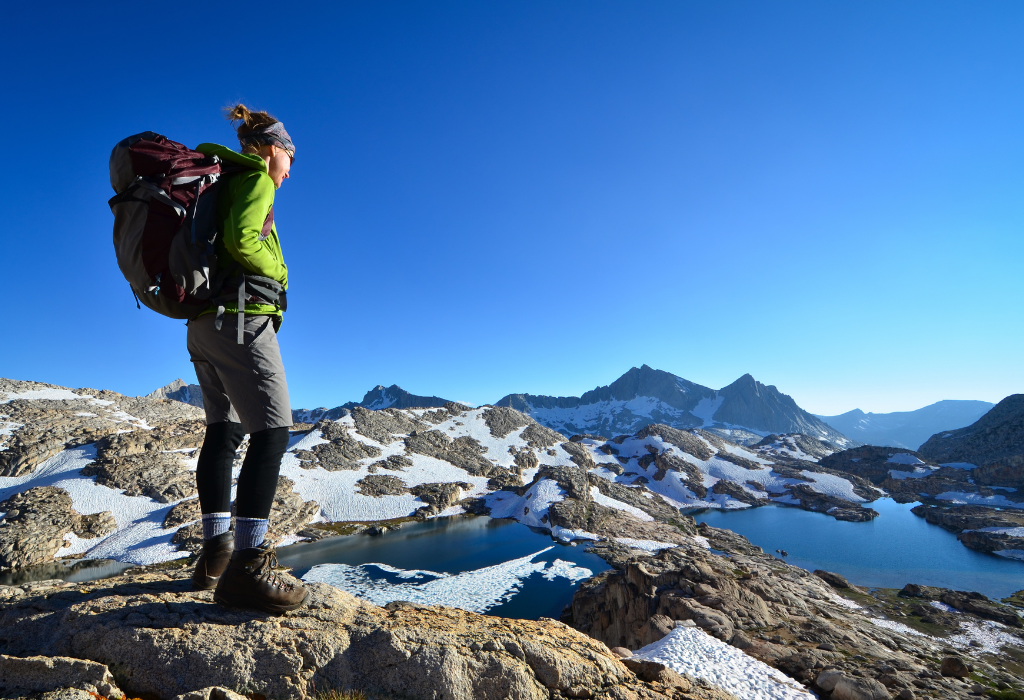
The wilderness isn’t just an adventure playground—it’s the ultimate leadership laboratory. It strips away comfort and reveals what authentic leadership looks like when survival is at stake. The lessons it teaches are both timeless and urgently relevant: resilience in chaos, respect for resources, patience for long-term success, and collaboration for survival.
As demand for sustainable leadership intensifies, these wilderness lessons transition from interesting to essential. Figures like Ben Fogle prove that bridging adventure and business isn’t just possible—it’s powerful and necessary.
The world faces unprecedented challenges that require leaders capable of thinking beyond quarterly results while navigating constant uncertainty. The wilderness has been teaching these skills for millennia. Now it’s time for leaders to listen, learn, and lead with the wisdom that only real testing can provide.
In the end, sustainable leadership isn’t theory—it’s practice, forged in the harshest conditions and brought back to inspire the changes our world desperately needs.
Frequently Asked Questions
Why are wilderness expeditions relevant to business leadership?
Wilderness expeditions demand the same core qualities modern leaders need: adaptability under pressure, resource management, long-term thinking, and collaborative problem-solving. When facing storms or dwindling supplies, explorers must balance immediate survival with sustainable practices—exactly what business leaders face with market volatility and environmental challenges.
How does wilderness resilience translate to corporate environments?
In both contexts, rigid adherence to original plans often leads to failure. Wilderness survivors and successful business leaders share the ability to adapt quickly when conditions change, while maintaining focus on ultimate objectives. The key is flexibility without losing direction.
What does "Leave No Trace" mean for organizations?
This wilderness ethic translates into business practices like circular economy adoption, waste reduction, and embedding sustainability throughout operations. Companies that embrace this philosophy don't just minimize environmental harm—they build stakeholder trust and long-term viability.
Who are examples of adventurers inspiring business sustainability?
Ben Fogle stands out as someone who's successfully bridged extreme adventure and corporate sustainability messaging. His experiences rowing across oceans and trekking to poles give him credibility when discussing resilience, environmental responsibility, and long-term thinking that pure business theorists can't match.
References
The Economist: Data point: the rise of the sustainable tourist
Forbes Africa: Inspiring A Stronger Commitment To Conservation And Sustainable Tourism
Worldmetrics,org: Sustainability In The Tourism Industry Statistics Statistics: Market Data Report 2025
European Union: Harmonising tourism statistics for sustainability: A report by the T4T expert group